Over the long history of automotive manufacturing, vehicles have evolved from being custom-built for each buyer to being offered in a series of trims. These different versions—also known as trim levels, grades, or model variants—group certain features and upgrades. Automakers use letters, numbers, or a name to designate what you’re getting.
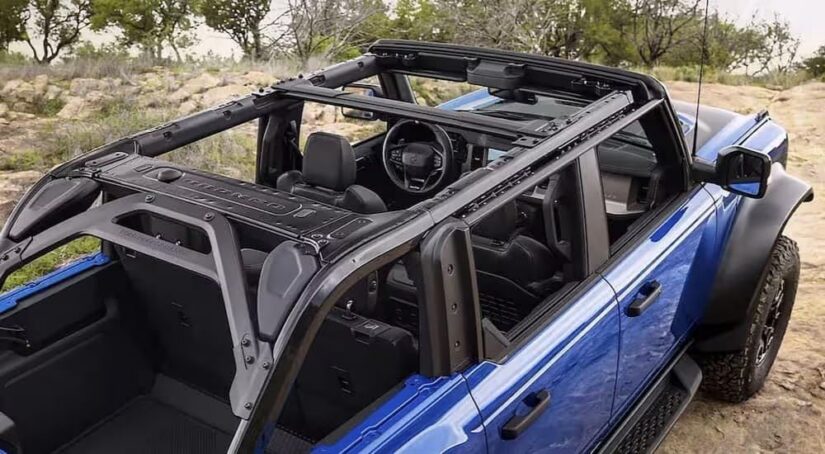
Of course, it will cost more money to own those features. It’s not unusual for the highest trim level on a vehicle to be double the price of the “poverty spec” base model. Case in point: the 2026 Ford Bronco, where the aptly-named Base has an MSRP of $40,795 while the Raptor goes for $79,995.
Is what you’re getting worth that cash? The answer isn’t as clear-cut as it seems, with multiple factors affecting whether you’re getting the value that you expect. Join me as I cut through the mumbo jumbo to determine the right play when buying your next vehicle.
The Evolution of Vehicle Trims
The modern practice of trim levels evolved from the popularity of add-on packages in the 1950s and 1970s. As manufacturing techniques grew more advanced, automakers realized that building every car to order was too inefficient. As such, they started lumping features into “option packages”, such as the Ford Mustang Mach 1 or the Chevy Camaro RS.
While option packages remain a thing today, by the 1990s, the practice had been standardized as trim levels. The number of trims a vehicle can have varies widely. Everyday sedans, such as the Toyota Camry and Honda Civic, typically have three to five trim levels. On the opposite end is the Porsche 911, which is currently offered in a dizzying 21 variants.
In certain cases, trim levels and packages proved so popular that they became standalone models. Famous vehicles such as the Chevrolet Silverado, Porsche Carrera GT, and Subaru WRX were originally born as trim levels. Other trims, like the Ford F-150 Raptor and Hyundai Elantra N, are so distinct from the base model that they have their own identities.
Trim Upgrade Categories
Now that the background is out of the way, it’s time for the meat of the discussion. The features that might be upgraded as part of a higher car trim can be divided into four categories. Whether a trim level is worth it on a new car comes down to what categories the new features fall into and whether you’ll benefit from them.
Capability and Performance
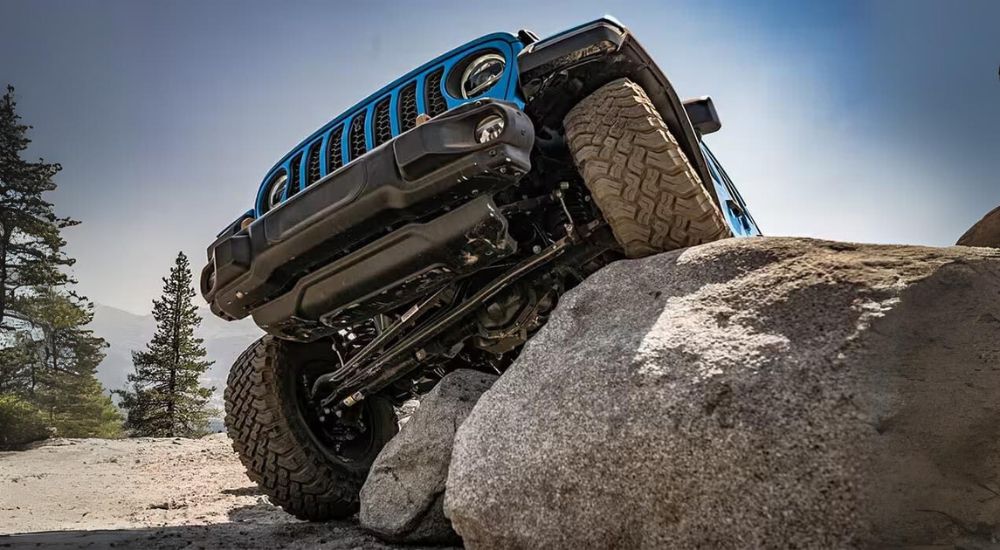
This is anything related to how the vehicle runs and drives. Upgrades to the engine and suspension are great examples. Consider the turbocharged four-cylinder engine in the Honda Civic Si or the off-road-tuned suspension in the Toyota Tundra TRD Pro. Features such as AWD, hybrid systems, towing packages, cat-back exhausts, and larger truck beds also increase capability.
A trim with performance-based upgrades is the best bang for your buck. These features offer long-term utility and let you do more behind the wheel. Also, they’re generally the hardest things to add after purchasing the vehicle, so leaving them to the professionals is often the right play.
Granted, if 95% of your driving is to the office and local stores, you might not need that fancy V8 or adaptive air suspension. But if you’re going to take advantage of a trim level’s added capability and have the money, it’s worth your while.
Safety Technology
Better vehicle safety is always in demand. While traditional passive features such as airbags are generally standardized, automakers reserve the best advanced driver assistance systems for higher trims. The 2026 Kia K4 is a good case study, as blind-spot warnings, rear collision avoidance, 360-degree cameras, and parking sensors aren’t available on lower trims.
This category also gets the big green checkmark as being worth the investment. You’ll want the most protection you have, and like mechanical features, safety tech is hard to add after the fact. Should certain safety technology ever become required on new vehicles, as is the case with automatic emergency braking starting in 2029, you’ll be one step ahead.
Comfort and Convenience
Anything that’s intended to make you more comfortable behind the wheel falls into this category. Common examples include premium upholstery (i.e., leather or suede), heated seats, multi-zone climate systems, and wireless phone screen mirroring. Push-button start, auto-dimming mirrors, sunroofs, and head-up displays are also considered comfort and convenience features.
Now we’re getting into a gray area of whether the price tag on a higher trim level justifies the features. Many of these features are nice to have, but not required to go for a drive. If you’re going to use a premium feature every day and consider comfort a priority, then go ahead. But other drivers may not get enough from them to validate the expense.
Another consideration is that if you decide later that you want greater comfort and convenience, these features are often easier to add as aftermarket upgrades than mechanical components and safety technology—and sometimes cheaper, too. Just remember to check whether upgrading later affects the warranty.
Infotainment and Cosmetics
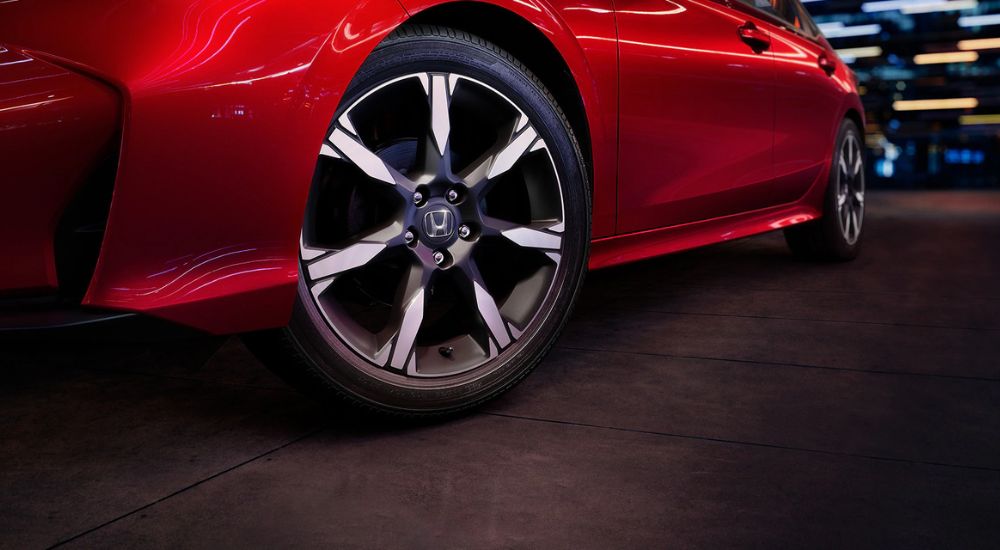
Is the primary purpose of a feature to make your vehicle look and sound better? Then it goes here. Large wheels, paint colors, decal kits, rear spoilers, high-end speakers, amplifiers, built-in navigation systems, fast-charging USB ports, and rear-seat entertainment systems are some of the “look and sound” features.
In most cases, infotainment and cosmetics alone don’t justify a higher trim level. They don’t add much utility for what you spend, and they don’t add much to resale value. These features are also the easiest to add yourself, and doing so often gives you even more choices than the manufacturer offers. Only spring for these features if they are bundled with more practical add-ons.
Buying Expensive Trims on Used Cars
There is one situation, though, where buying an upper-level trim is a near slam dunk. When looking at a used vehicle, you can almost always defend springing for the highest trim level you can afford. The reduced price makes every feature, including the “look and sound” add-ons, more palatable.
According to Kelley Blue Book, cars lose about 30% of their value in the first two years and 55% in the first five years on average. A higher-trim vehicle that’s even a few years old will have dropped considerably in price. It will also have a smaller cost gap between a base model with comparable years and mileage, making the higher trim easier to rationalize.
Furthermore, sometimes the features you’ll find on high-level used car trims are no longer available on new cars. Or maybe the entire trim has been discontinued, giving you an excuse to buy it now that quantities are finite. Examples include Subaru dropping the famous WRX STI trim after 2021 or Jeep axing the EcoDiesel engine from the Wrangler after 2023.
Finding the Right Vehicle Trim
What does this all mean? Here’s my take. If you’re buying a new car and there are significant mechanical and functional differences between trim levels—whether it be horsepower, fuel efficiency, handling, cargo space, or safety technology—get the better-performing trim level as long as you can afford it. Those performance features will pay off in the long run.
Otherwise, aim for the midrange of a new vehicle’s trim lineup. Based on my experience, those trims have most of the available safety technology and enough extra features to be satisfied with your purchase for many years. Further comforts and cosmetics are often more style than substance—or at least something you can easily add yourself.