
There are few feelings that’ll leave parents more helpless than watching their new teen driver pull out of the garage. Automotive independence has its advantages, especially when it comes to avoiding carpool duty and playing taxi to a moody teen, but it’s still very stressful. Even if you’ve done everything you can to prepare them for this important moment, anxious parents know they won’t get any rest until their teens are finally back home, safe and sound.
Luckily, there’s an answer to these sorts of sleepless nights. From TV pin codes to browser restrictions, parental control technology allows you to protect your loved ones from objectionable or dangerous content, and they’ve finally made their way into our cars, trucks, and SUVs. Ford was the first to launch its own parental control system with the debut of MyKey in 2010. The system soon expanded to the Focus before eventually making its way into most of the Ford lineup, and spawned plenty of imitators in the process.
But “originally” doesn’t always mean “best.” GM’s Teen Driver tech didn’t arrive until 2016, but it’s since become the market’s most ubiquitous, comprehensive system. Teen Driver technology is available on almost every modern Chevy, Buick, and Cadillac model, and makes the GM lineup pretty tough to ignore when you’re looking to put your kids behind the wheel of a safe, reliable ride.
Ford and GM might have been the teen driver trailblazers, but Tesla has joined the fray thanks to a recent over-the-air update. A number of other brands offer their own apps and key-based offerings that, while limited in functionality, can still provide priceless peace of mind. Let’s give each system a quick once-over as we compare today’s various teen driver systems.
Built-In Systems
The most comprehensive parental control systems are those built directly into the vehicle. These provide the maximum monitoring and control of driver behavior. Here are the three that are available today.
Ford: MyKey
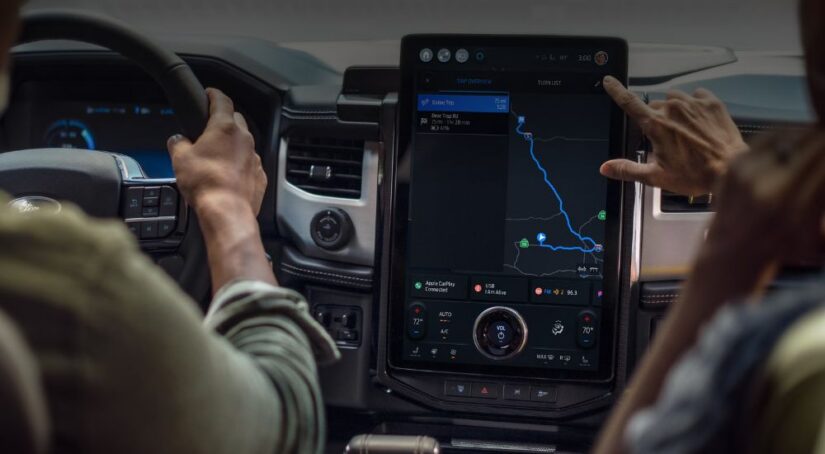
Like later parental control systems, Ford’s MyKey allows parents to program one of the vehicle’s key fobs with a long list of restrictions designed to keep new teen drivers safe behind the wheel. The MyKey system is also PIN-protected, preventing teens from tampering with your desired settings. MyKey set a strong precedent for future parental control systems, and has only improved in the years since.
Original features ranged from a Speed Control setting that limited drivers to 80 mph to an Audio management feature that kept the stereo at 45% of its total volume. The BeltMinder system also weaponizes the audio system, preventing tune-happy teens from enjoying their favorite playlist until they’re buckled in. The system also ensured the vehicle’s traction control system was activated, and included a novel Fuel Awareness feature that trains teens to be mindful of the gas gauge. While most vehicles don’t illuminate the “Low Gas” alert until the tank is at 10% or 15%, MyKey provides earlier warnings that’ll allow teens to avoid the dreaded call to roadside assistance.
Ford has been busy improving the MyKey system, introducing key upgrades that give parents the ability to set additional speed caps at 65, 70, and 75, as well as preventing newer ADAS features like collision warnings, parking aids, and blind-spot monitoring systems from being disabled. The system even includes a feature that provides a modern solution to a modern problem. Smartphones weren’t quite so ubiquitous when MyKey first hit the scene, but they have since become an indispensable part of our daily lives. Unfortunately, they can also lead to some serious distractions when you’re behind the wheel. However, with MyKey’s Do Not Disturb Mode, you won’t have to worry about your teen driving taking calls or sending texts when they’re motoring down the highway.
General Motors: Teen Driver Technology
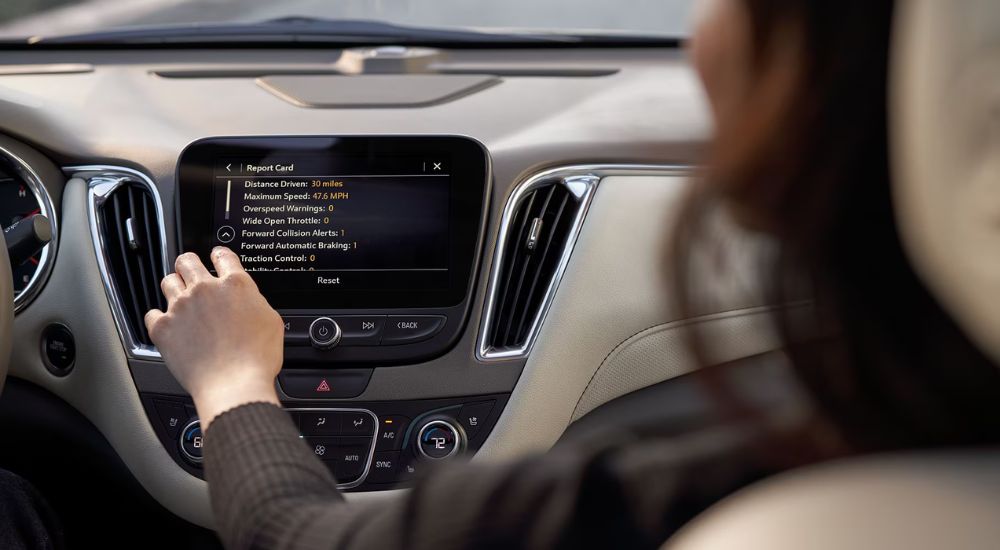
GM’s Teen Driver technology might not have been the first such system to hit the market, but it’s certainly one of the best. The system includes a number of innovative features that few of its competitors can match, including a unique Buckle To Drive feature and an In-Vehicle Report Card that allows parents to keep tabs on their fledgling drivers.
Best of all, Teen Driver technology comes standard on almost every GM model, which means Chevy, Buick, and Cadillac owners can keep cortisol levels low when handing the keys to a new teen driver. There are a few notable exceptions, including certain commercial vehicles and performance models like the Corvette, but in fairness, Chevy’s iconic sports car would be a questionable choice for a first vehicle in the first place.
The Teen Driver system lets parents control almost every aspect of driving. A Speed Limiter prevents the vehicle from accelerating above 85 mph, but owners can also calibrate their Chevy, Buick, or Cadillac mode to provide customized alerts at any speed between 40 and 75 mph. Chevy’s Safety Assist system includes a generous array of advanced driver-assistance systems (ADAS), and Teen Driver ensures they’re always ready to step in should the need arise. While adult drivers can selectively deactivate certain ADAS features such as Lane Keep Assist, Forward Collision Warning, and Park Assist Sensors, Teen Driver prevents these vital safety features from being turned off.
It’s a similar story with Teen Driver’s Buckle-To-Drive feature. Seatbelts are easily one of the most important advancements in the history of automotive safety, but they’re pretty useless unless they’re actually strapped across your chest. The Buckle-To-Drive feature prevents the vehicle from shifting out of park and mutes the audio system until both front-seat occupants are securely buckled in. Speaking of the stereo, an Audio Volume Limit function keeps the sound system at a safe volume, ensuring drivers remain tuned in to their surroundings.
While these features are sure to give parents plenty of confidence, we haven’t even touched on the system’s most innovative feature: the In-Vehicle Report Card. Much like a real report card, this feature lets parents track their children’s progress and address any bad habits before they take hold. The Report Card features a wide range of available metrics, including distance driven, maximum speed, safety system events, forward collision alerts, and tailgating alerts.
Teen Driver can even log the number of times the driver exceeds the pre-set speed limit, as well as any instances where the gas pedal was fully floored. It’s about as thorough a system as you’ll find on today’s market, and it makes GM’s stable of cars, trucks, and SUVs pretty tough to ignore when you’re shopping for your teen’s first ride.
Tesla: Parental Controls
Tesla entered the teen driver fray in mid-2024 with the introduction of its Parental Control system. The feature, which was pushed out through an over-the-air update, offers much of the functionality you’ll find on any modern GM or Ford model, albeit with that trademark Tesla twist. The EV brand has always been a fan of “hip” branding with features like “Plaid” and “Ludicrous” drive modes, and it’s no different when it comes to its teen driver tech. The brand’s EVs are capable of jaw-dropping speed thanks to the instant torque afforded by their electric motors, but “Chill” mode keeps leadfooted drivers in check by limiting acceleration.
Tesla Parental Controls also include a Speed Limit Mode that caps the vehicle’s top speed and prevents drivers from deactivating important ADAS features like forward collision warning and automatic emergency braking. The Night Curfew feature serves as a sort of digital tattletale, alerting parents to any journeys outside a teen’s prescribed driving window.
App-Based Systems
While Ford, GM, and Tesla opt for built-in parental control systems, many of the market’s other offerings employ a smartphone-based approach. This method has its advantages, allowing automakers to leverage the powerful computers we carry around daily. Some apps require an annual subscription, or drivers must invest in an upper trim or an optional equipment package.

Hyundai/Kia/Genesis: Hyundai Bluelink/Kia Connect/Genesis Connected Services
The Hyundai Motor Group, which owns Hyundai, Kia, and Genesis, is all-in on app-powered technology, with each brand offering a similar package. Hyundai drivers can use their vehicle’s Bluelink Connected Services app to access the brand’s Vehicle Safeguard Alerts (VSA) suite of monitoring systems. While not specifically aimed at teen drivers, VSA offers many of the same features as the Ford and GM systems. Features include real-time vehicle and speed tracking, as well as a Valet Mode that tracks driving distance and time, maximum speed, and more. Whether you’re looking to rein in your kids or keep tabs on an adventurous parking attendant, VSA is here to help. Parents can also activate a Geofencing feature that delivers alerts whenever a vehicle travels outside a prescribed area, as well as a Curfew Monitoring function that’ll spill the beans on any late-night excursions.
Genesis Connected Services includes many of the features you’ll find in the Hyundai app, plus additional maintenance alerts, vehicle health reports, and more. Kia Connect is also remarkably similar, save for a little rebranding. The Kia Connect system includes a My Car Zone feature that’s very reminiscent of Hyundai’s VSA, with its Curfew Limit Alert, Speed Alert, and Geo Fence Alert. Drivers can also view in-depth data around driving patterns, duration, and speed, but the system’s Driver Safety Score feature really gives Teen Driver a run for its money. Like GM’s In-Vehicle Report Card, the Driver Safety Score boils your driving decisions down to a performance rating that can be very useful when educating new teen drivers.
Toyota/Lexus: Guest Driver Monitoring
Toyota and Lexus also go all-in on app-based tech with their Guest Driver Monitor (GDM) system. The feature, which requires an active Remote Connect subscription, isn’t quite as feature-packed as GM’s Teen Driver or Ford’s MyKey, but it’s sure to provide a considerable boost in confidence for anxious parents. As the name implies, the GDM is solely focused on monitoring driver behavior. Owners can set predetermined speed, time, and mileage limits, a curfew, and even the distance a vehicle is allowed to travel from a specific location.
However, even the worst infraction will only result in an alert sent to your smartphone. This method might not be the right solution for every family, but the relatively hands-off approach could actually go a long way towards building trust between parent and teen. Parents will have all the data they need to have an informed, constructive discussion about driving habits without leaving teens feeling like they’ve still got a set of digital training wheels affixed to their vehicle.
Nissan/Infiniti: NissanConnect Services/Infiniti InTouch Services
Nissan and its luxury Infiniti brand take a similar app-based approach to teen driver technology, with their NissanConnect Services and Infiniti InTouch Services suites. The package is almost identical to what you’ll find on most Hyundai/Kia/Genesis vehicles and, like those systems, puts more emphasis on monitoring than outright control.
Parents can set the system to provide a wide range of relevant alerts for geofencing, curfews, maximum speed limits, and more. It even includes a My Car Finder feature that displays the car’s current real-time location right on the map. An Intelligent Driver Alertness feature allows the vehicle to alert when it detects erratic or distracted driving, but stops short of actually intervening in any concrete way.
Key-Based Systems: Volvo Care Key
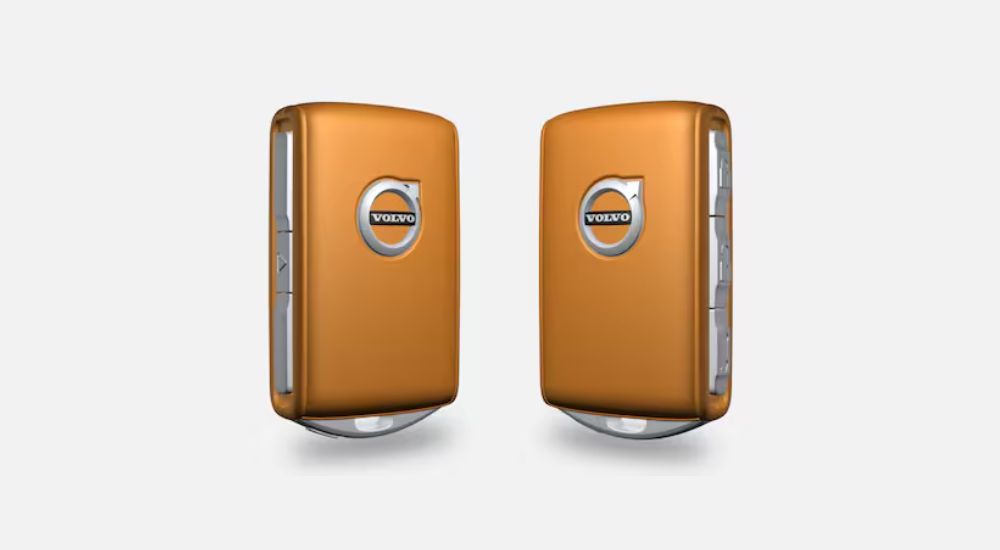
While some brands have introduced full teen driver apps, others have opted for a more à la carte setup. Volvo has long been known as one of the market’s most safety-minded automakers, which is why it’s a little surprising to learn that the company’s own parental control system basically boils down to a bright orange key.
The Volvo Care Key is an orange key fob that accompanies most Volvos produced since 2021. When used to start the vehicle, the Car Key limits your Volvo to a predetermined speed between 30 and 112 mph. Volvo has plenty of other safety-focused tech, including a Driver Understanding System that uses eye and posture-tracking cameras to detect drowsy or distracted driving. However, the Care Key is as good as it gets for teen driver tech.
The Verdict
We’ve touched on some of the key competitors to GM’s Teen Driver tech, but there are a few omissions that merit a quick mention. Honda provides buyers with a Driver Coaching smartphone app that’s more educational than it is restrictive. The app constantly monitors driver inputs such as steering, braking, and acceleration to provide a detailed analysis of your driving habits. The system even spits out a total driving score, introducing a fun, game-ified element that’s sure to resonate with teen drivers.
Then there’s the luxury segment. While we singled out Volvo’s system, the truth is that most high-end vehicles today come with some form of digital key or monitoring app. From BMW’s Digital Key to Mercedes-Benz Me Connect, Rivian’s Driver+, and Lucid’s suite of monitoring tech, owners can easily keep tabs on their teen drivers.
Despite these monitoring options, Ford’s MyKey is the only true competitor to GM’s Teen Driver tech. The brand has clearly prioritized its Teen Driver system, introducing it across most of its mainstream models. Ford’s MyKey can match Teen Driver in terms of functionality, but availability is another issue altogether. Tesla has also made impressive headway, but outside the top three, most of today’s parental control systems still fall into the app-based or monitoring categories. Other brands are sure to pick up the slack in the coming years, but for the time being, there just seems to be no real substitute for the Teen Driver system.