
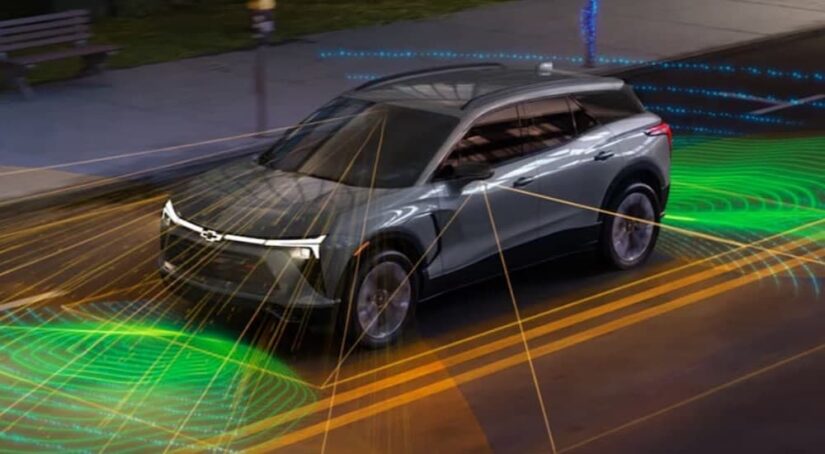
When you’re shopping for a new car, there’s usually a list of features and options that you’re determined to prioritize. For most people, safety is at the top of the list. You’ll often hear about the more marketable suspects: adaptive cruise control, lane-keep assist, automatic emergency braking, and blind spot monitoring—features that have become almost standard across the board. However, as technology advances, automakers continue to push the boundaries of what “safe” truly means. There’s a growing list of under-the-radar systems that can make a huge difference when the unexpected happens.
As someone meticulous in their research when making any kind of purchase, I’ve found that some of the most impressive technologies aren’t always the ones making headlines. Some of them operate quietly in the background, waiting for the moment when milliseconds matter. If you’re in the market for your next car, consider these lesser-known safety features that deserve attention.
Post-Collision Braking
Perhaps one of the most overlooked features is Post-Collision Braking. The name may not be flashy, but the logic and design behind it are brilliant.
After an initial impact during a collision, most drivers instinctively freeze, which causes them to lose control of the brake pedal. In those few seconds, the car keeps rolling—potentially into another lane, another vehicle, or even a guardrail. Post-collision braking detects the impact and automatically steps in, applying moderate brake pressure to slow down the vehicle and mitigate the possibility of a secondary collision.
It’s one of those features that you’ll hopefully never notice in action. If it ever does engage, it could prevent a bad situation from becoming completely catastrophic. Brands like Volkswagen, Ford, and BMW have begun including Post-Collision Braking in their newer models.
When reviewing specs, check to see whether the trim level includes post-collision or “secondary collision mitigation” braking. It’s not always listed in bold print, but it’s absolutely worth scanning for.
Front Cross-Traffic Braking
Many of us are familiar with rear cross-traffic alerts, which warn you when a car is approaching from behind as you back out of a parking spot. But what about when you’re pulling forward into a busy intersection or out of a blind corner? That’s when Front Cross-Traffic Braking shines.
It uses a combination of radar and camera systems to detect cars, cyclists, or pedestrians approaching from the sides—essentially “seeing” what you can’t when your view is blocked. If an obstacle is detected, the system will first alert you, and then automatically apply the brakes to prevent or reduce impact.
This is the kind of feature that proves useful in everyday driving. City drivers, in particular, know how often you have to edge out into traffic just to get a clear line of sight. Knowing that your vehicle can act faster than your reflexes in those moments adds a layer of security you didn’t even know you were missing.
Automakers like Ford, Hyundai, and Genesis are beginning to roll out models equipped with this feature, but it is still a long way from being standard. If your next car offers it—even as part of an optional package—it’s definitely worth the consideration.
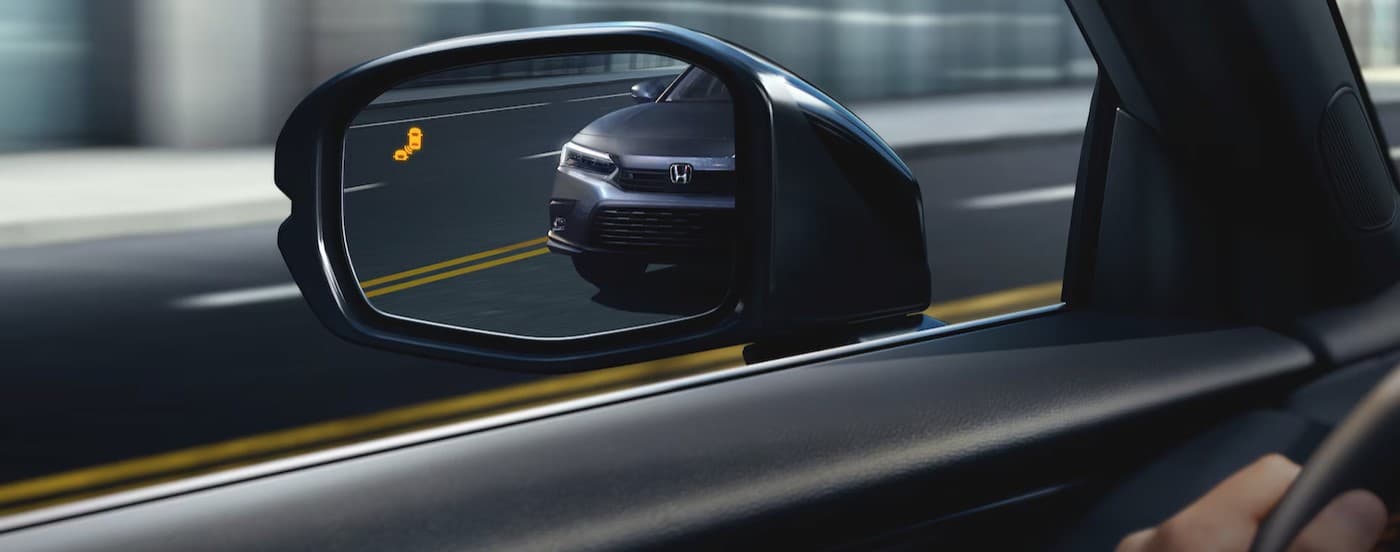
Driver Attention Monitoring
We’ve all had those drives where we zone out for one reason or another, and our attention drifts from where it should be. Driver Attention Monitoring systems are designed to recognize a loss of focus before it becomes dangerous.
Utilizing features such as steering inputs, lane tracking, and sometimes even eye or head movement sensors, this system monitors your focus. If it detects erratic behavior, micro-corrections, or delayed reactions, it chimes in with a warning, typically suggesting that you take a break.
Some brands, such as Subaru and Mazda, include cameras that monitor eye movement and facial expression. While other automakers rely on steering sensors and lane data. Either way, it’s one of the smartest ways that cars are becoming more proactive about safety—not just reactive.
It’s easy to underestimate, but as someone who’s made a few too many late-night or early-morning drives, I can tell you that this feature is worth its weight in gold.
Intersection Collision Assist
Statistically speaking, intersections are among the most dangerous places to drive. Lights are changing, pedestrians are crossing, and cars are turning—sometimes with no turn signal. It’s chaos in motion, and that’s why Intersection Collision Assist steps in to watch the cross-traffic you might miss.
If you begin to make a turn and the system detects oncoming vehicles you might not have seen, it can warn you—or even apply the brakes automatically—to prevent a side impact or T-bone collision.
Many of the same sensors are used for front cross-traffic systems, but the software is specifically tuned for intersection scenarios. It’s still emerging, it’s starting to appear in luxury brands, with mainstream manufacturers quickly joining in.
Evasive Steering Assist
Sometimes braking is just too little too late. When there’s an obstacle in your lane and you simply don’t have enough time or space to stop, Evasive Steering Assist helps you safely steer around it.
When the car’s sensors detect that an emergency maneuver is your best option, it can increase the steering response just enough to help you swerve safely without losing control. Then, once you’re clear of the danger, it stabilizes the vehicle back into your lane.
It’s one of the more advanced options for collision avoidance, demonstrating how safety systems are evolving from purely reactive to almost collaborative. You’re still in control—but with a co-pilot that’s paying attention to physics and angles faster than you could ever hope to.
Reverse Automatic Emergency Braking
We’ve all been there—trying to back out of a tight parking space between two full-size SUVs, praying that nothing is behind you. Rear cross-traffic alerts help, but Reverse Automatic Emergency Braking takes it further by actually stopping the car if something enters your path.
Whether it’s a pedestrian, another vehicle, or even a shopping cart rolling by, the system can detect the movement and automatically apply the brakes. It’s not just about avoiding a fender bender; it can prevent serious injuries in places like parking lots, where low-speed accidents are more common than most realize.
Exit Warning and Rear Occupant Alert
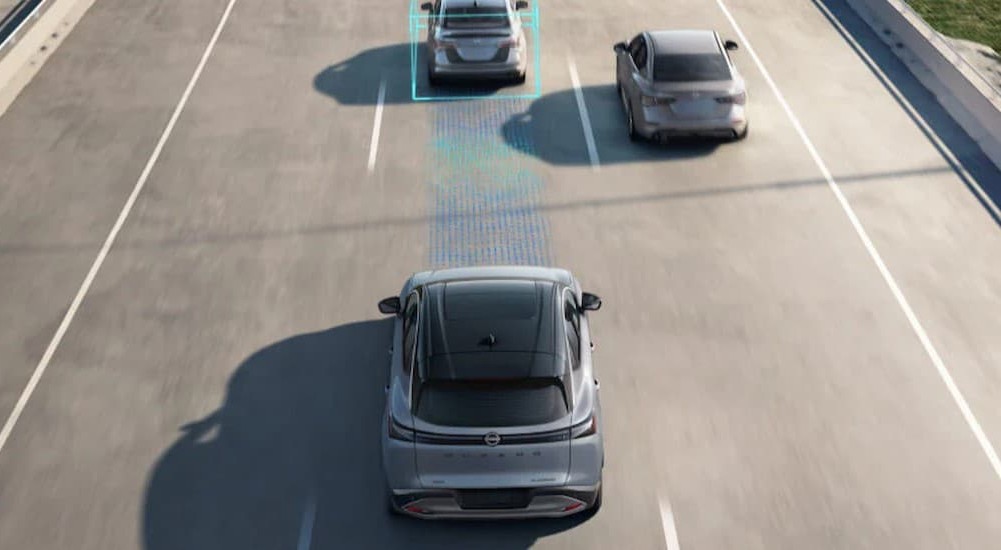
Safety doesn’t stop when you turn off the ignition. Exit Warning uses side sensors that alert you if a car or cyclist is approaching from behind when you’re about to open your door. It’s already saving countless cyclists in urban environments.
Meanwhile, Rear Occupant Alert reminds you to check the back seat before walking away—a simple yet life-saving feature that prevents heatstroke deaths involving children or pets.
Safety Isn’t Skin Deep
The beauty of these features is that they aren’t there to put on a show—they’re all about subtlety. They don’t complicate your driving experience; they make it more forgiving. When human error inevitably creeps in, they step up and act as invisible guardians that protect you and everyone around you.
When you start browsing for your next vehicle, don’t just stop at the buzzwords and easily marketable features. Dig deeper into the fine print. You might find that the most valuable safety feature is one you’ve never even heard of.
The Evolution of Safety
Watching safety technologies evolve from simple airbags to what we have today has told me one thing: today’s cars are quietly rewriting the rulebook on what “safe” really means.
While it isn’t necessary to have every feature under the sun, taking a moment to learn about all of the options and what you might be missing can make all the difference. Whether it’s post-collision braking that prevents a secondary crash or front cross-traffic braking that saves you from a blind-side impact, these are features that could potentially save your life or someone else’s. And that’s definitely worth a few minutes of research.